Matrici dello spazio. Filo. Forma. Tensione.
The Novocomum, a residential building designed by Giuseppe Terragni between 1927 and 1929, represents the first complete example of modern architecture in Italy applied to housing. Its innovative structure, built on a balance of elegant and light volumes, is defined by a skilful use of planes, transparencies and colours, which relate both to the surrounding landscape and to each other. The result is a harmonious architectural organism, capable of conveying a sense of intimacy and warmth despite the clarity of its rationalist language.
It is in this context that the Terragni Archive finds its place, a precious location where the architect's projects, photographs, documents and original materials are collected and preserved: what A. A. Terragni defines as the “original score” of Giuseppe Terragni's work. The archive is not only a repository of memory, but a living environment, traversed by relationships and continuous references between past and present. It is a place that “feels like home”, where architectural design enters into a natural dialogue with the contemporary works of the artists who inhabit it and those who are welcomed on a temporary basis. This domestic and creative dimension transforms the archive into a cultural square, a meeting and discussion point, where intellectual, artistic and human exchange becomes the real driving force behind shared research. The space also includes the studios of artists Attilio Terragni, Riccardo Longo and Chiara Smedile, who contribute to making Novocomum a lively, inhabited and constantly changing place.
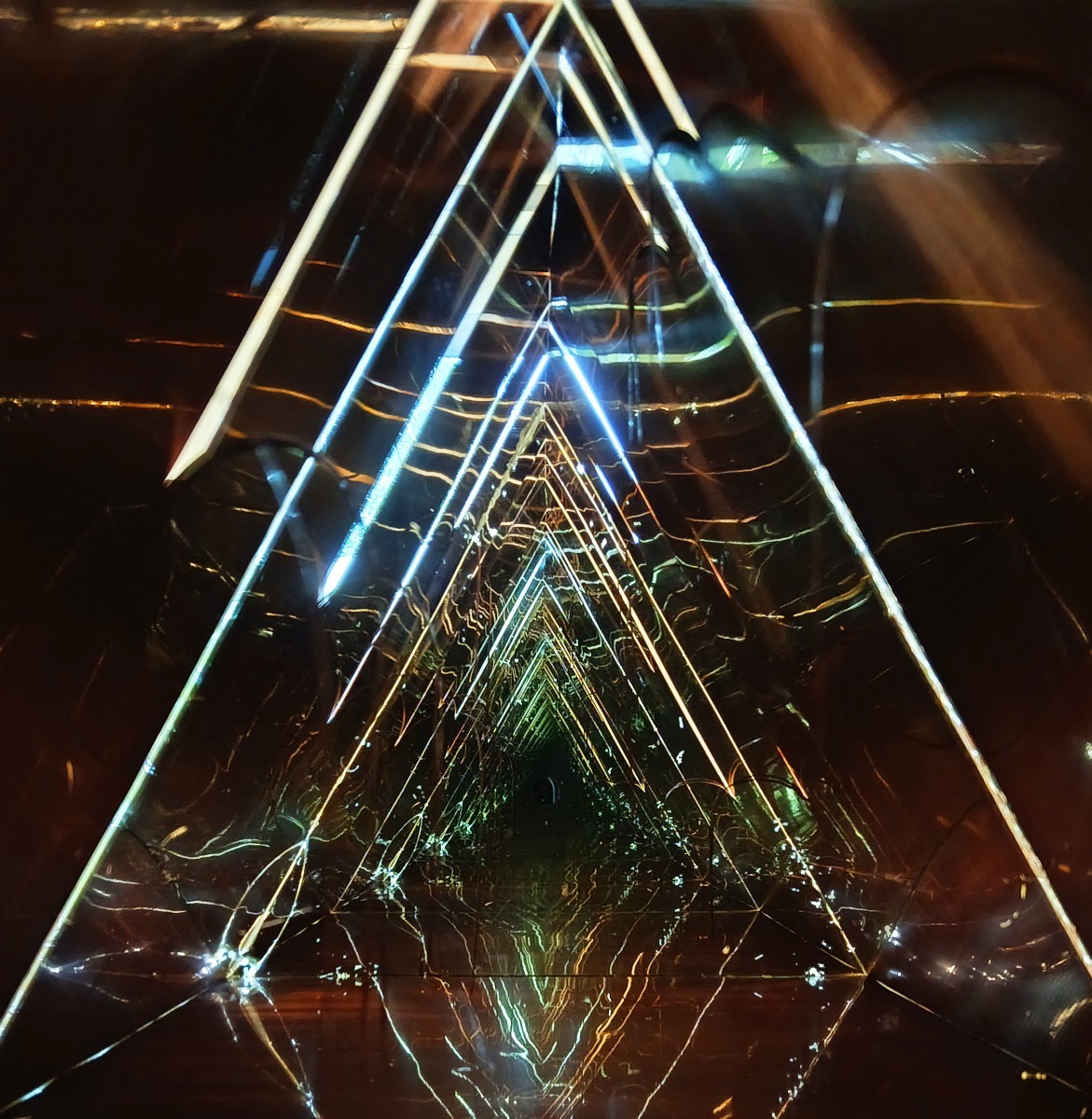
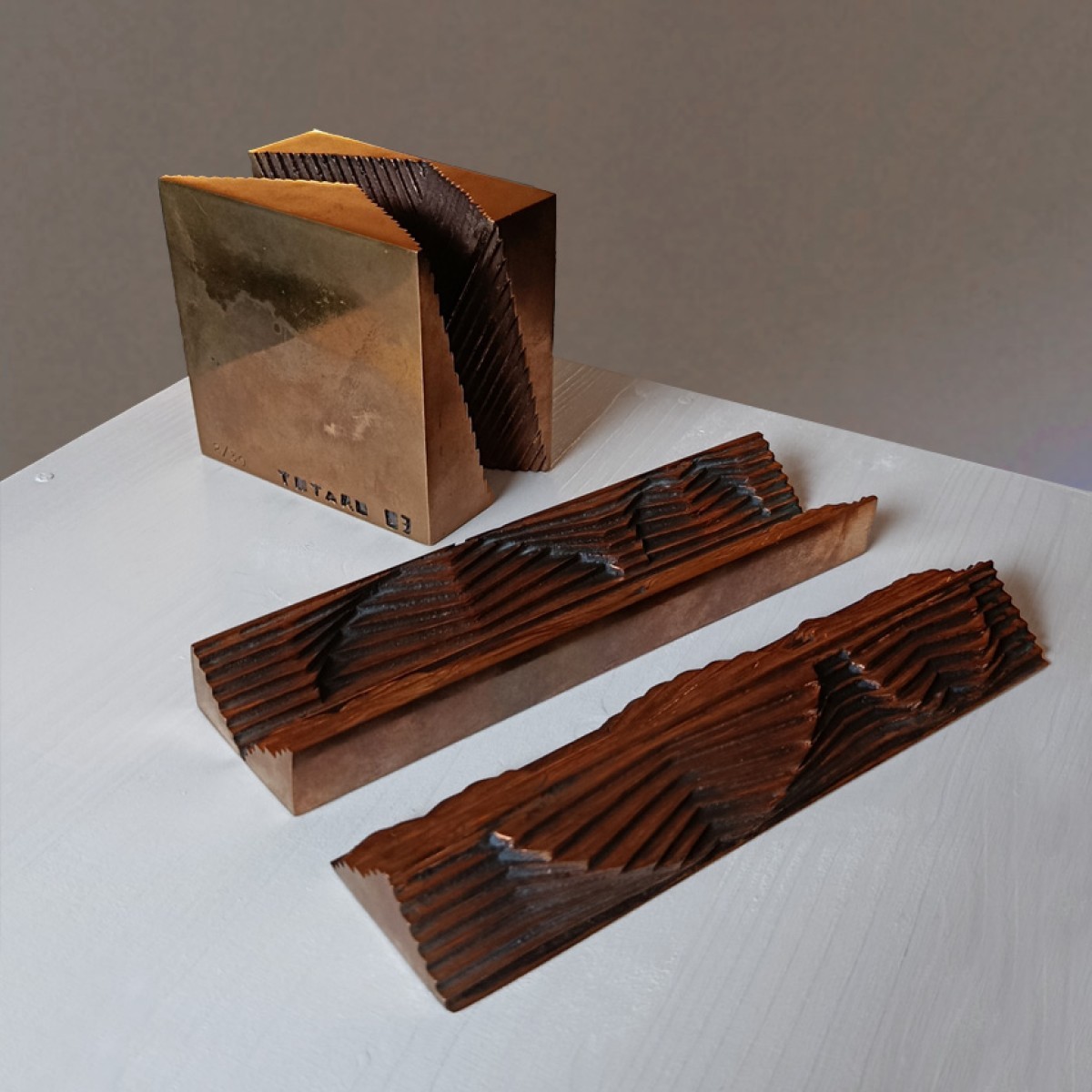
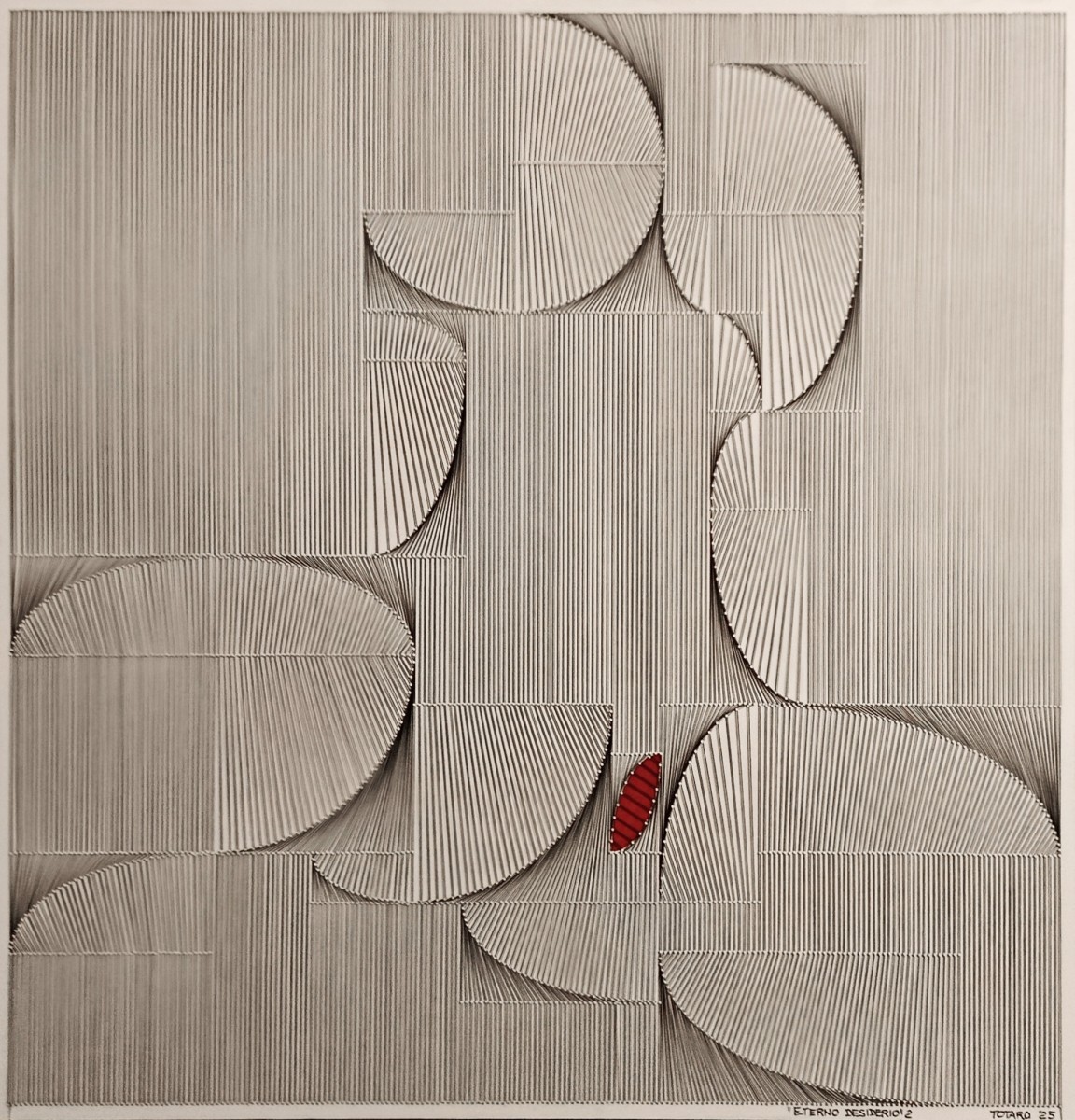
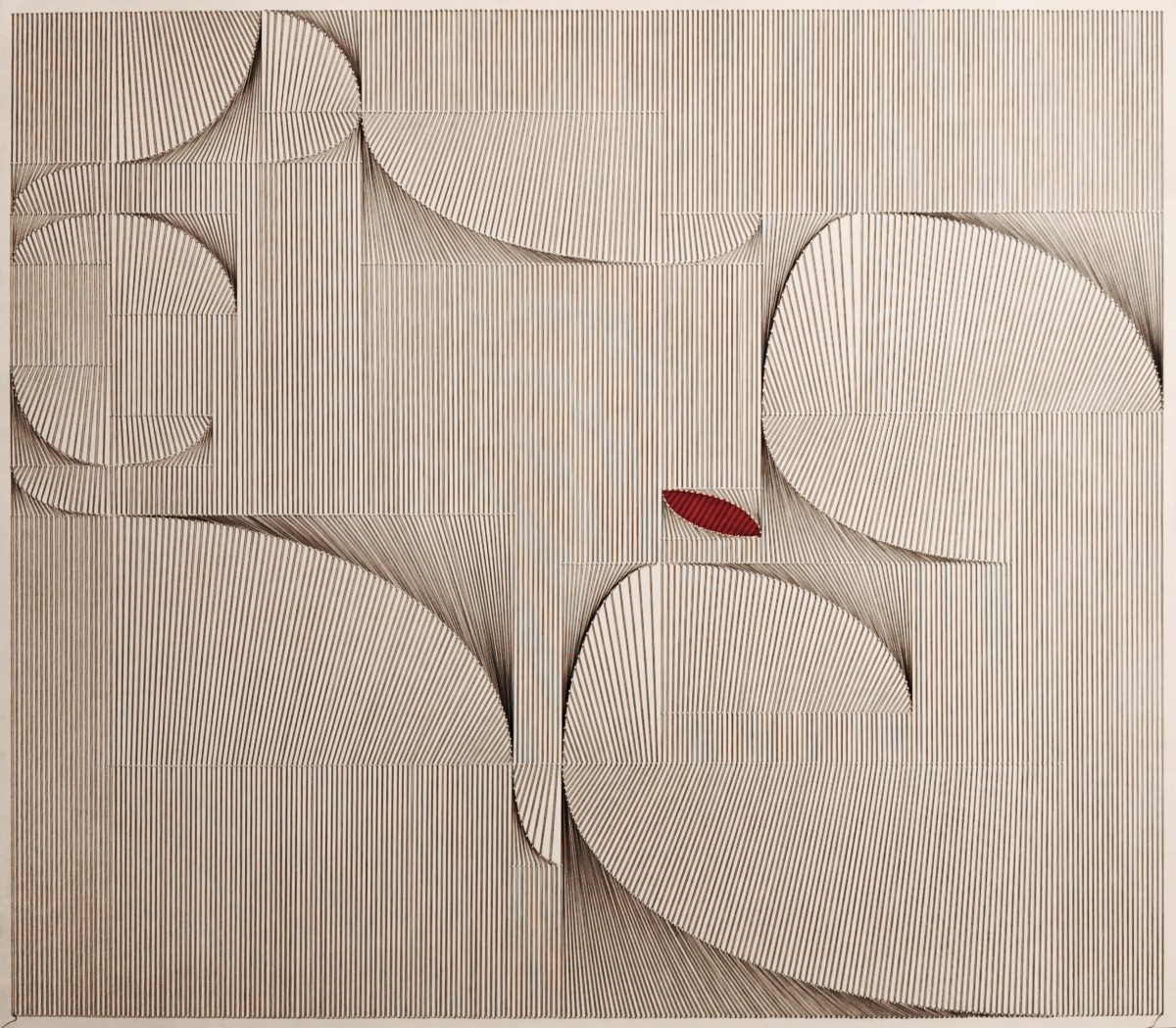
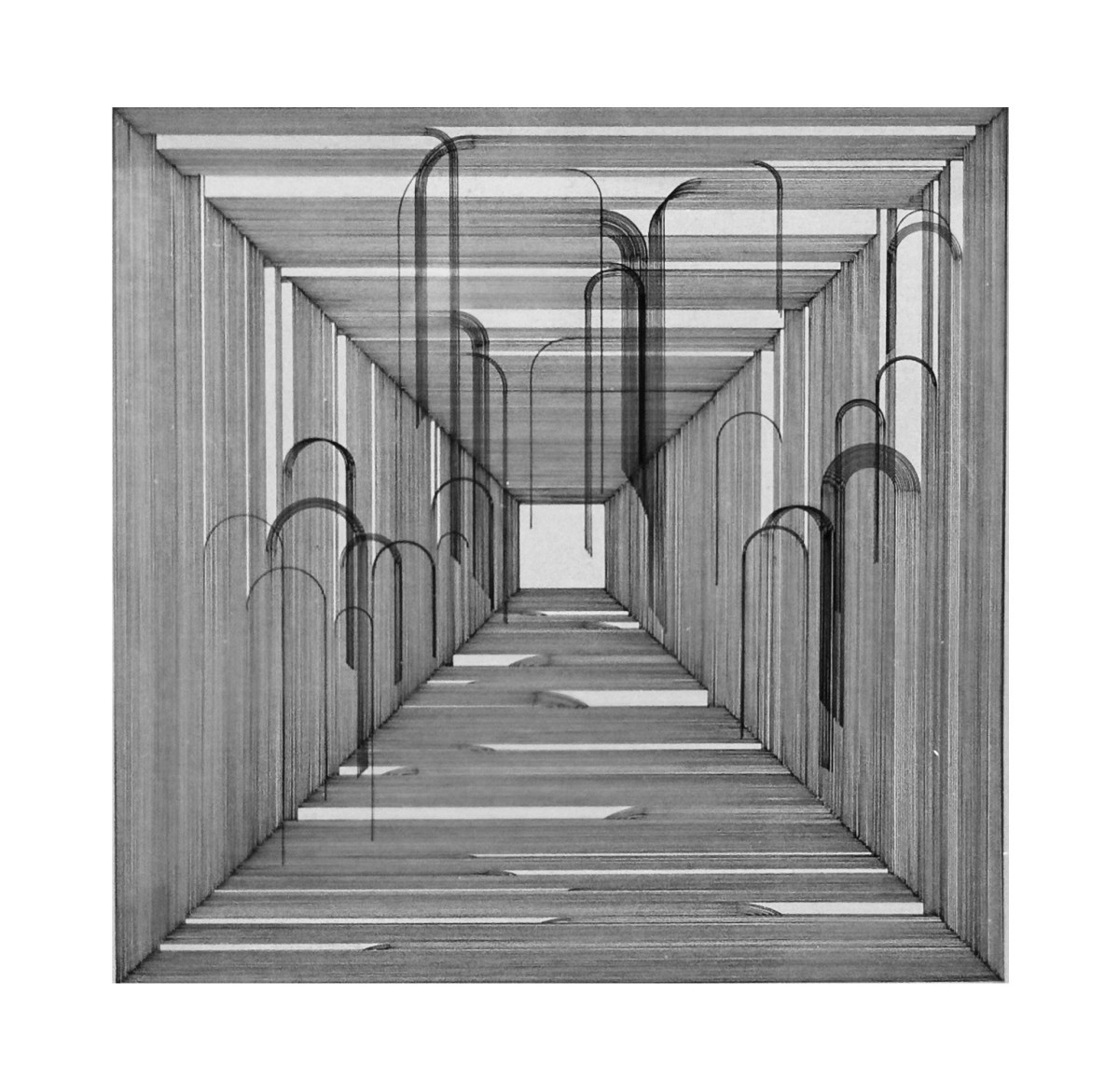
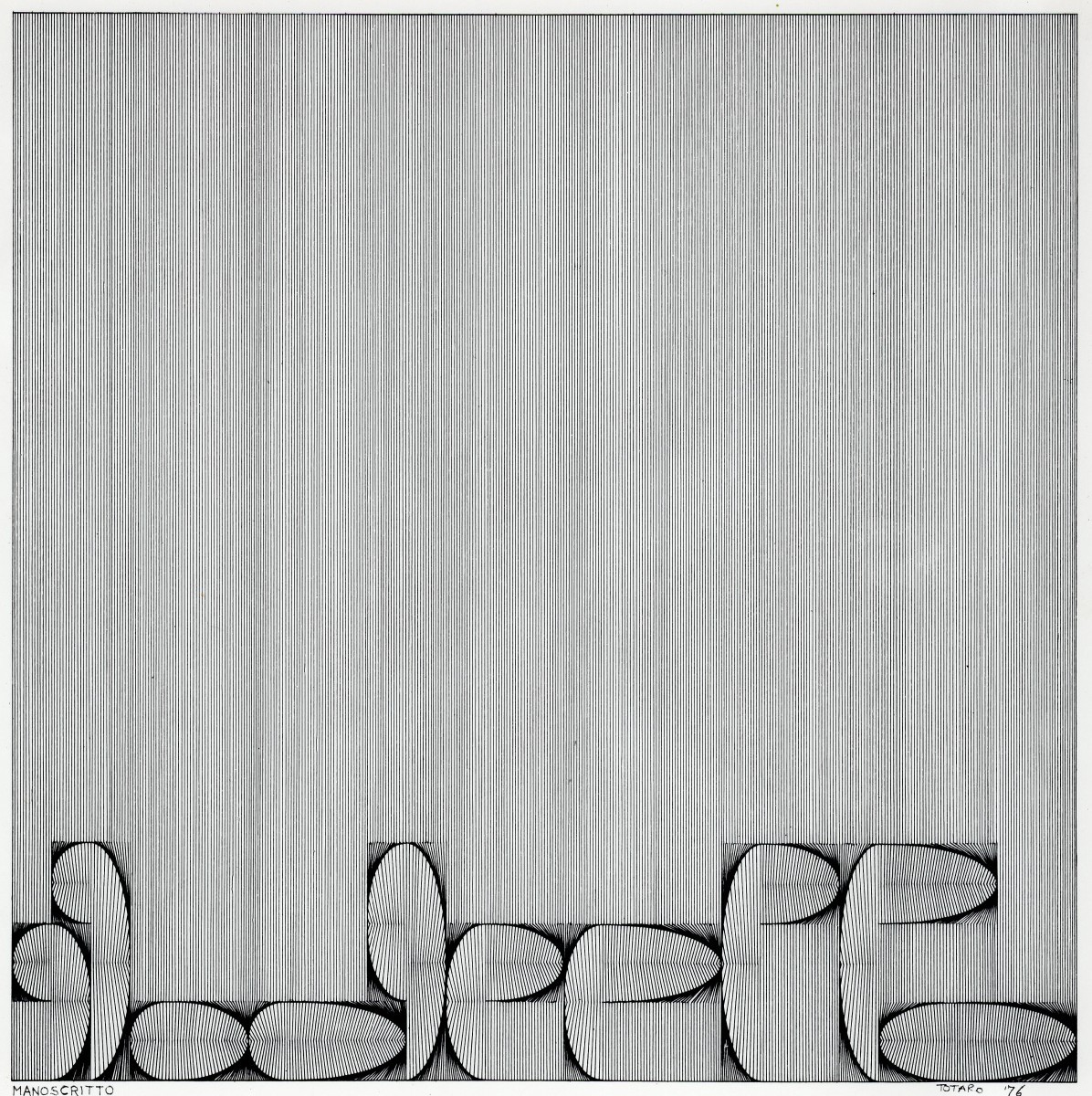
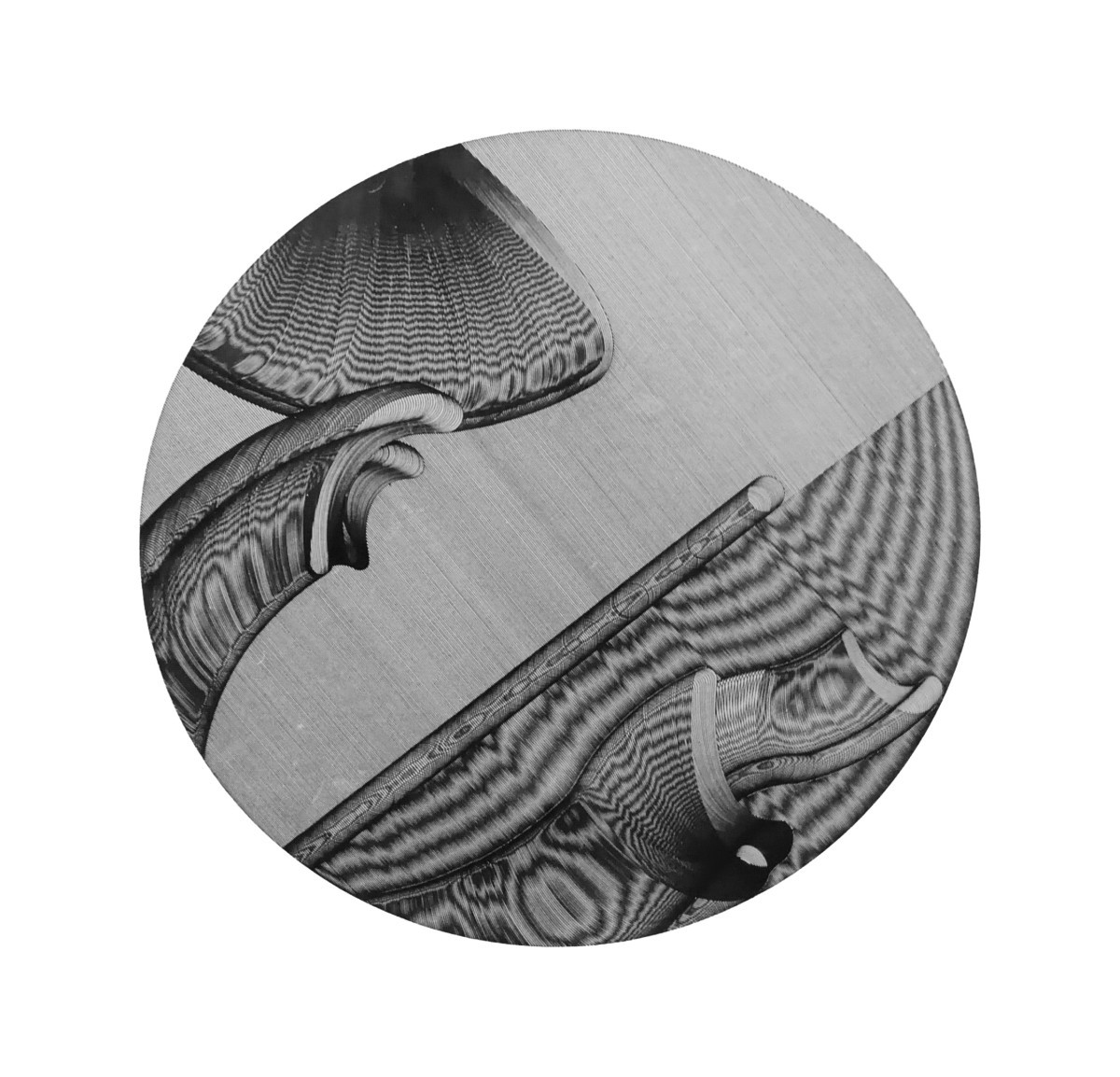
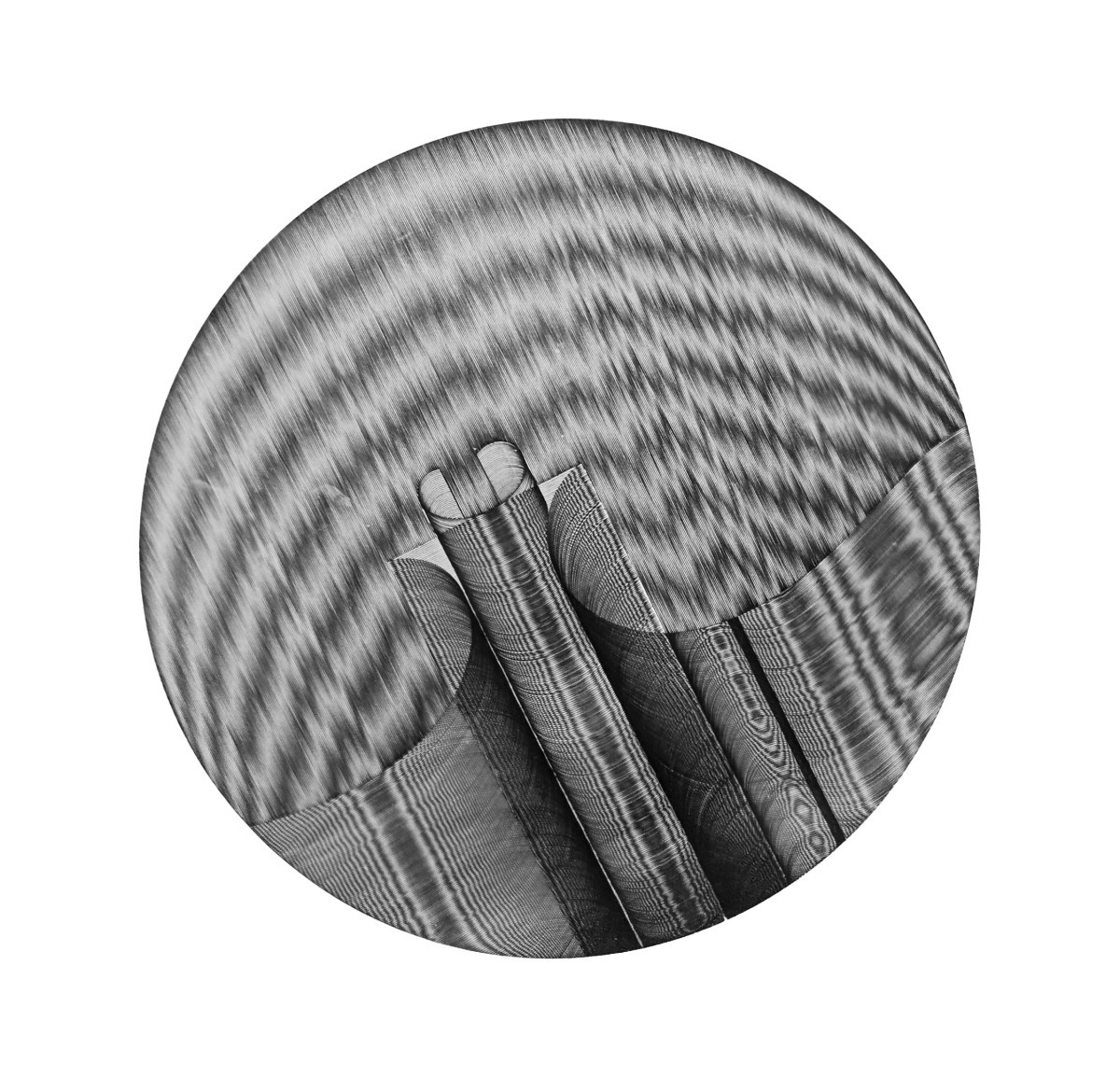
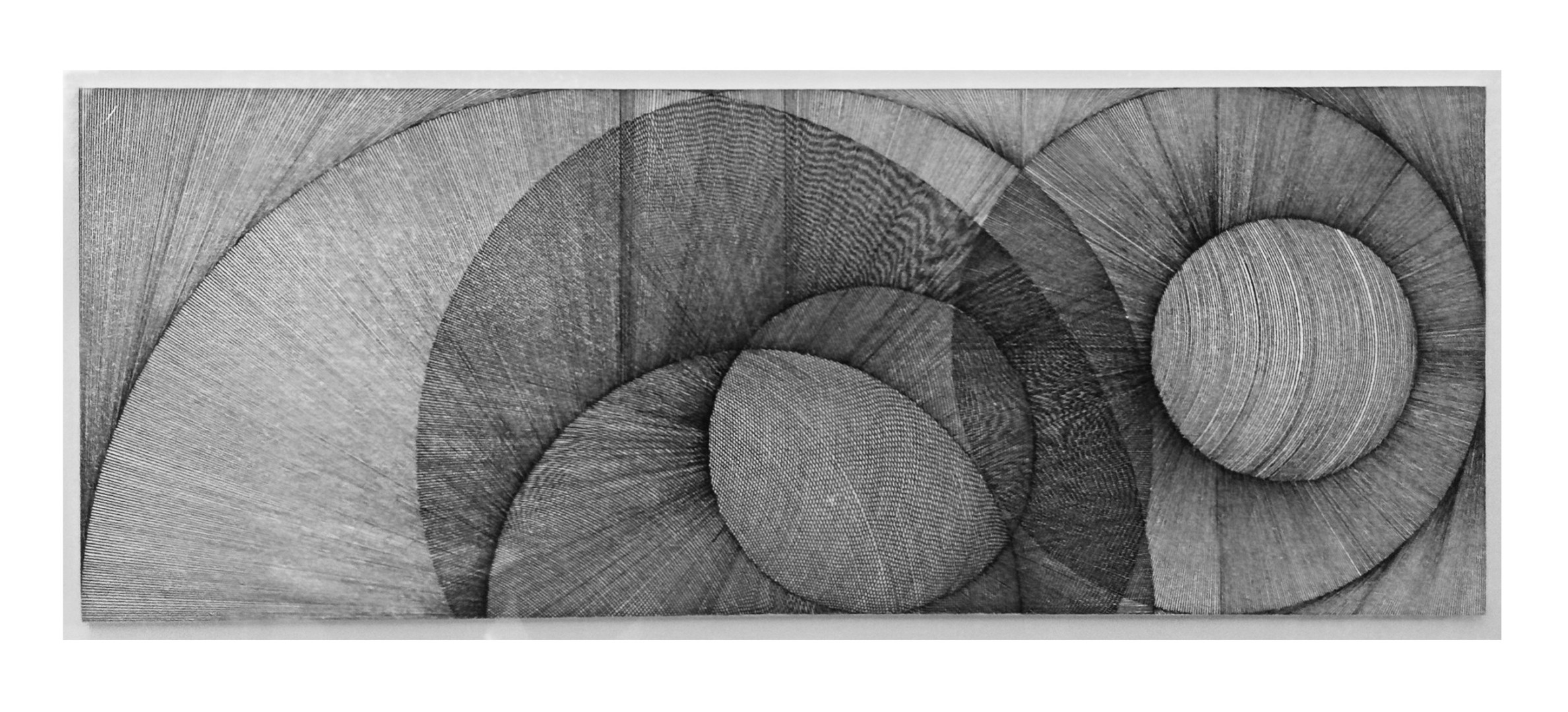
With Matrici dello spazio – Filo. Forma. Tensione (Matrices of Space – Thread. Form. Tension), the Archive connects with the artist Mimmo Totaro, a leading figure in Italian fibre art. The exhibition presents a significant collection of works that span his entire career and manifest themselves through multiple forms of expression. The internal link within Totaro's multifaceted production is a deep love for textiles, which is reflected above all in the presence of taut threads that run through and define the works; threads that, even when they lose their three-dimensionality and are transformed into graphic signs, continue to generate visual vibrations that oscillate, overlap and blur the boundaries between abstraction and perception. The spatial relationships that are created have all the flavour of architecture, the “third art” and another of Totaro's great loves.
Twenty-eight of the artist's works are on display, including sculptures, drawings, prints and large wall panels.